
Unlock Better Shots: Affordable Golf Balls for Every Skill Level
Amazon Picks
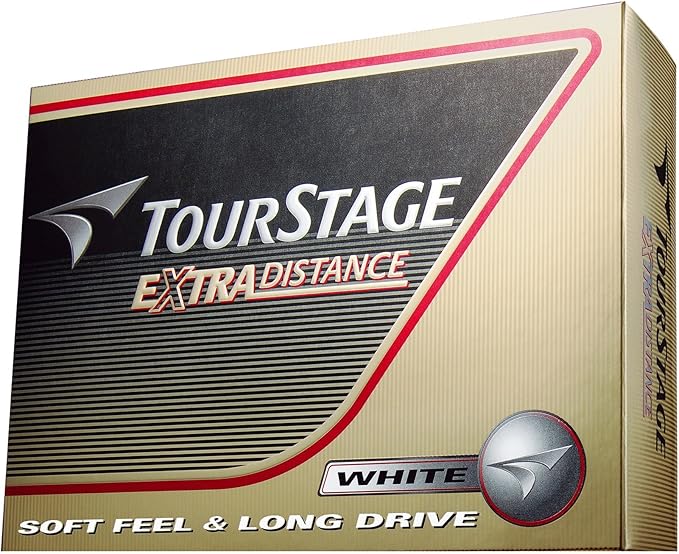
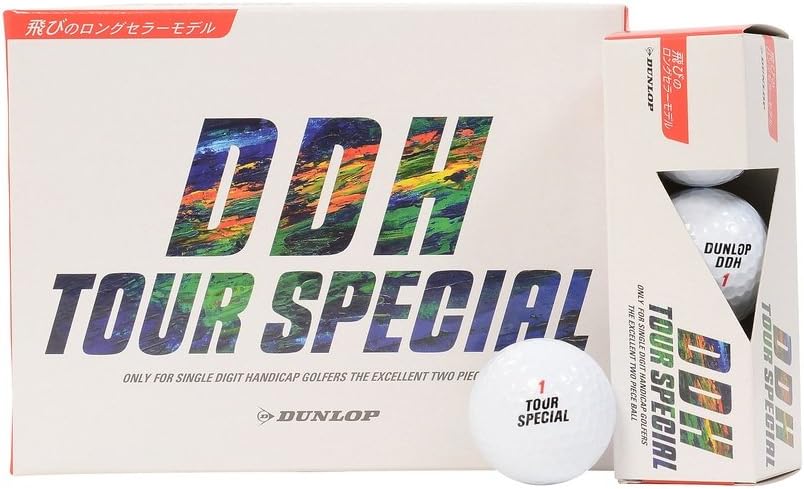

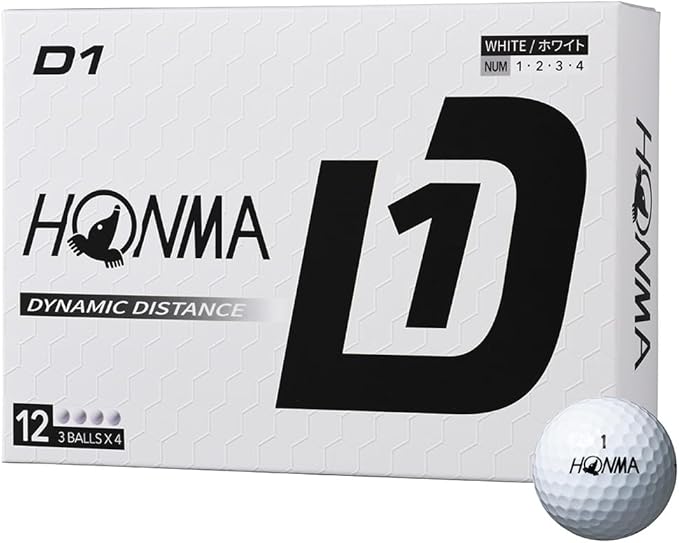
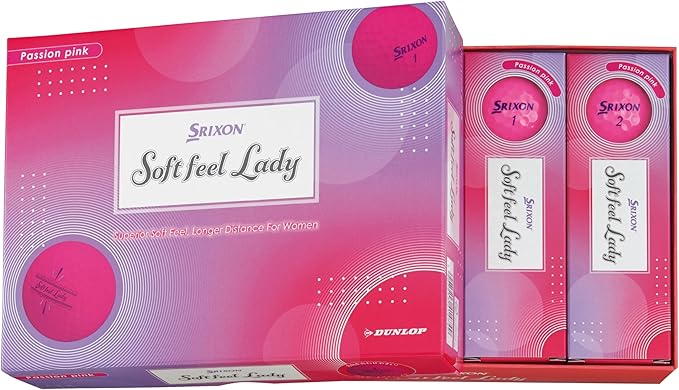
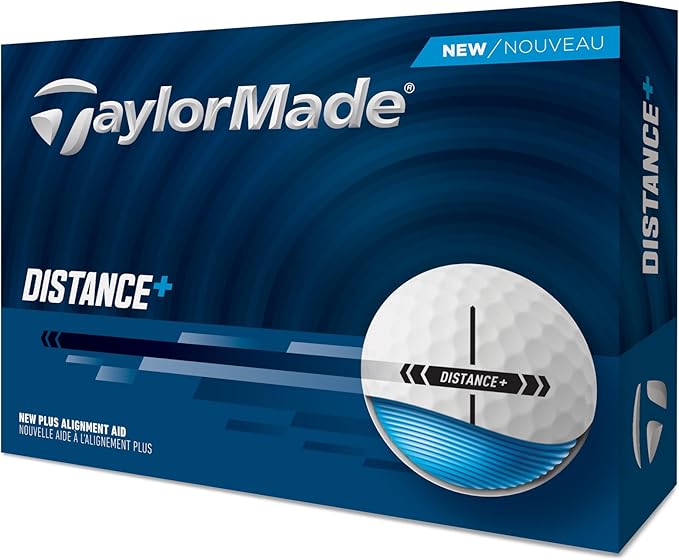
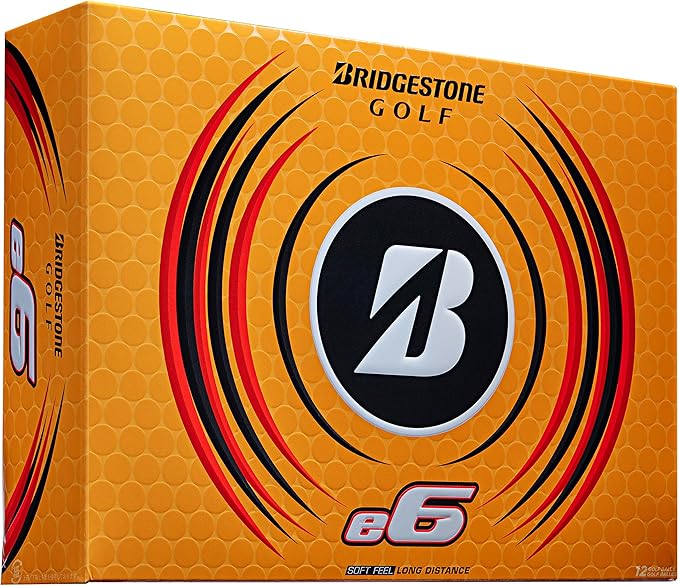
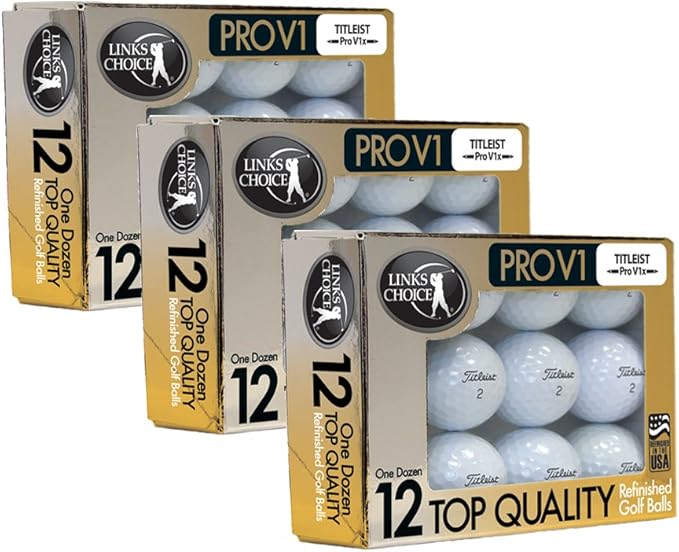
Let’s be real, golf balls can be confusing. Walk into any pro shop across Southeast Asia, or browse Lazada/Shopee like a true budget pro, and you’re hit with a million options. “Spin here, compression there, urethane this, surlyn that…” My eyes glaze over faster than my ball slices into the trees.
But here’s the secret: the “best” ball isn’t the one the pros use. It’s the one that helps your game, suits your swing, and—most importantly for us—doesn’t make you cry when it splashes into the water or gets lost in that dense rough common on many Asian courses.
This guide is gonna cut through the noise. We’ll sort golf balls by skill level, keeping it simple, honest, and totally budget-friendly. Plus, we’ll bake in the unique vibe of Asian golf: think humidity, often softer fairways, diverse course types (from manicured resorts to busy public tracks), and always, always looking for value.
Quick Lowdown: What Do These Ball Words Even Mean?
Before we dive in, a super quick cheat sheet on the buzzwords:
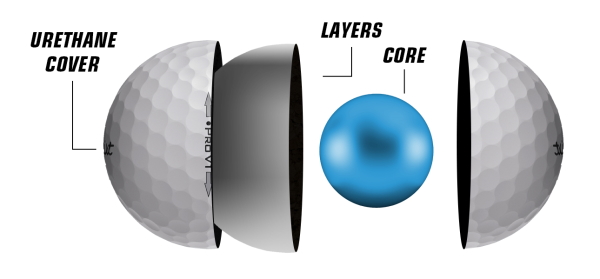
- Layers (2-piece, 3-piece, etc.): Think of it like a cake. 2 layers = simple, tough, goes far. 5 layers = fancy, more control, but costs more.
- Cover (Surlyn vs. Urethane):
- Surlyn (or Ionomer): The tough guy. Durable (great when you hit a tree, oops!), flies far, less spin (which means straighter shots). Often a go-to for durability on busier courses.
- Urethane: The softie. Gives you crazy spin around the green (for those fancy stopping shots), amazing feel, but scratches easier and costs more. Humidity can sometimes affect its tackiness, but high-end players swear by it.
- Compression: How squishy the ball is.
- Low Compression: Squishier. Great for slower swings, gives you more pop and distance. A lifesaver in dense, humid air.
- High Compression: Firmer. For faster, more aggressive swings, gives more control.
- Spin (Long vs. Short Game):
- Low Spin (Driver): Keeps your drives straighter, less slice/hook. Crucial for navigating tree-lined Asian fairways.
- High Spin (Wedges): Makes the ball bite and stop on the green.
- Trajectory: How high the ball flies. Higher = more carry. Lower = more roll, better in wind. Consider the wind or lack thereof on your typical course.
The Beginner Golfer: Just Get It In The Air (and Find It!)
That’s You If: You’re just starting out, maybe still perfecting that swing, or just happy to make solid contact. You’re probably hitting up the local range, those chill public courses, or executive tracks found near most Asian cities. Losing a few balls per round is totally normal (it’s okay, we’ve all been there!). Your main goal? Hit it somewhat straight, get some distance, and don’t spend a fortune on lost balls.

What to Look For (and Why it Matters for Your Wallet & Asian Courses):
- Layers: Go for 2-Piece balls. They’re straightforward, super durable, and built for getting maximum distance even with slower swings. They’re less affected by humidity and offer consistent performance.
- Cover: Surlyn all the way. This stuff is tough. It laughs at cart paths, dense rough, and the occasional water hazard splash (mostly). It also helps reduce unwanted spin, which means your slices might not be quite as dramatic. Plus, these balls are usually way more budget-friendly, which is perfect when you’re buying sleeves every other week.
- Compression: Low (around 70-80). This matches your swing speed perfectly. You’ll actually compress the ball (squish it), which translates to more speed and more distance. This is a lifesaver in the often-humid, denser air you find in many parts of Asia, helping you gain precious carry yards. Basically, free yards!
- Spin: Low Spin off the Driver. This is key! Less side spin means your wild shots are a little less wild. Straighter shots = fewer lost balls, which is a big win on tighter Asian courses where straying off the fairway often means a lost ball. More money in your pocket for post-round nasi lemak.
- Trajectory: Usually a mid-to-high flight to help you get the ball up and carry over those annoying hazards that are plentiful on many resort courses.
Asian Golf Vibe:
For many beginner golfers in Asia, value and durability are king. We play a lot, and the conditions (humidity, sometimes soft ground) mean a tough, consistent ball is a smart choice. Cheap golf balls are easy to stock up on.
Budget-Friendly Ball Examples: Callaway Supersoft, Srixon AD333, Titleist TruFeel, Bridgestone e6, Wilson Staff Duo Soft. (These are fantastic performers without the premium price tag!)
The Intermediate Golfer: Finding Your Groove (and Some Spin)
That’s You If: You’re past the “just hit it” stage. You’re hitting fairways more often, maybe even thinking about how to get the ball to stop on the green.You’re playing regularly, tracking your scores, and want a ball that gives you a bit more feel and control without costing a fortune. You’re probably playing a wider variety of courses, from local favourites to some of the stunning resort courses.

What to Look For (and Where to Find the Best Value for Asian Play):
- Layers: 2- or 3-Piece balls. Moving to a 3-piece ball starts to give you a nicer feel and a touch more control around the greens, without fully committing to the super-expensive stuff. It’s a noticeable performance upgrade.
- Cover: You can stick with advanced Surlyn/Ionomer blends for excellent durability, or start exploring introductory Urethane covers. Urethane will give you that sweet greenside spin (perfect for those slightly faster greens common in Asia), but be prepared for them to scuff a bit easier in the rough. It’s a balanced trade-off.
- Compression: Medium (around 80-90). This suits average swing speeds really well. Good distance off the tee, but you’ll feel more responsive feedback for those crucial short game shots. This compression works well across diverse Asian climates and course conditions.
- Spin: Moderate Long-Game Spin, Moderate-to-High Short-Game Spin. You still want some forgiveness if your drive isn’t perfect, but now you’re asking your wedges to make the ball stop a bit quicker on the green. This helps you attack pins with more confidence.
- Trajectory: A balanced mid-trajectory is usually best, offering a good mix of carry and control, especially important in Asia’s sometimes swirling, humid winds.
Asian Golf Vibe:
Intermediate players often frequent courses with well-maintained fairways and greens, but with tricky rough or water hazards. A ball that’s consistent in humidity and offers a good blend of performance and durability is key. We’re looking for that sweet spot where value meets performance – getting almost pro-level feel without the pro-level price tag.
Value-Packed Ball Examples: Srixon Q-Star Tour, TaylorMade Tour Response, Callaway ERC Soft, Titleist Tour Speed, Bridgestone e12 Contact. (These balls offer tour-like performance features at a much friendlier price point – perfect for the aspiring budget golfer!)
The Advanced Golfer: Precision, Feel, and Workability (without the “Pro” Budget)
That’s You If: You’re a low-handicapper, consistently striking the ball, and you know exactly what you want the ball to do. You’re thinking about drawing it around that dogleg, hitting a high fade into a tucked pin, and making it check up perfectly by the hole. You play on challenging, often immaculately kept courses (like many top resorts and private clubs across Asia) and demand the highest performance from your equipment.

What to Look For (and How to Get Value at the Top End for Asian Play):
- Layers: 3-Piece or more (4-piece, 5-piece). These complex designs are like miniature supercomputers, optimized for every single club in your bag to give you the exact spin and feel you need for every shot. They’re designed to perform consistently even in varied temperatures and humidity.
- Cover: Urethane. No compromises here. That soft, tacky cover is what gives you that insane greenside spin, allowing you to stop the ball on a dime and get incredible feel on all your short shots. Yes, they scuff easier, especially on rocky rough, but that’s the price of precision.
- Compression: High (90+). If you’ve got a fast swing speed, you need a firm ball to match it. This gives you maximum control and responsiveness. High compression balls maintain their feel and flight characteristics well in humid conditions.
- Spin: The holy grail: Low Long-Game Spin, High Short-Game Spin. You want minimal spin off the driver for maximum distance and straightness (essential for keeping it in play on tight Asian layouts), but then you want your wedges and short irons to bite hard and spin back on the green.
- Trajectory: A piercing, controllable trajectory that you can manipulate to fit any shot – whether it’s a high floater or a low stinger into the wind. This versatility is crucial for adapting to different course designs and sudden changes in tropical weather.
Asian Golf Vibe:
Advanced players, particularly those in competitive amateur or professional circuits common in Asian golf hubs, demand absolute consistency and specific shot-making capabilities. Performance in humid conditions, which affects feel and grip (and thus control), is paramount. While these are the priciest balls, even here, we look for deals on last year’s models, bulk purchases from local online shops (Lazada/Shopee), or quality refurbished options to keep that budget golfer spirit alive.
Top-Tier (but still smart) Ball Examples: Titleist Pro V1/Pro V1x, TaylorMade TP5/TP5x, Callaway Chrome Soft/Chrome Soft X, Srixon Z-Star/Z-Star XV, Bridgestone Tour B Series. (Look for sales and previous year’s models to find the best value on these premium performers!)
Your Mission: Go Test Some Balls!
Listen, all this info is great, but nothing beats trying it yourself. Grab a sleeve or two of different balls that fit your skill level and budget. Here in Asia, where conditions can vary even within a single round, testing is even more crucial. Pay attention to:
- Feel: Does it feel dead or lively off the driver? Soft or clicky off the putter? How does it feel in the humidity?
- Distance: Are you consistently getting the yards you expect, especially in varied air density?
- Control: Can you stop it on the greens, even when they’re firm or wet? Does it curve too much? How does it react out of the sometimes-dense rough?
By understanding what works for your game and not just following the crowd, you’ll find your perfect golf ball without sending your budget into the rough. Now go out there and crush it!
Since you’ve chosen the perfect golf ball, the next step is what you put it on! Read our deep dive into Golf Tees and If They Really Matter to complete your setup
Do Golf Tees Matter? Read here